
Exhaust Smoke Color And What It Means
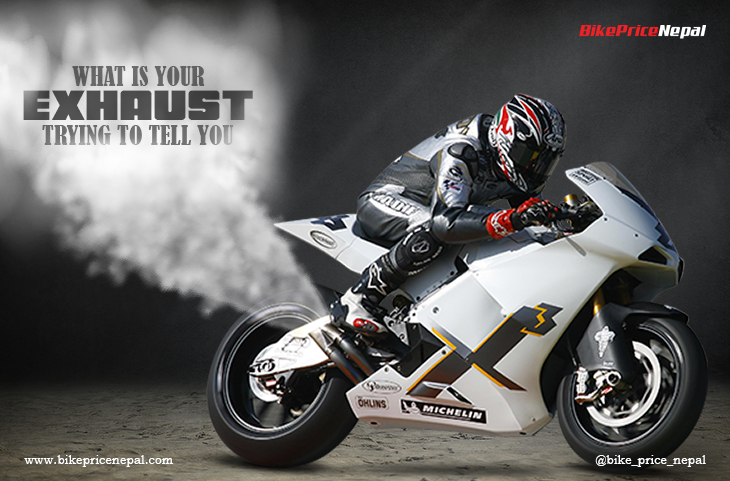
For motorcycle enthusiasts, upgrading the factory exhaust system is often a top priority. Beyond the aesthetic appeal and improved sound, a motorcycle's exhaust system can provide valuable insights into the engine's health and performance. This article explores the various messages your motorcycle exhaust might be sending, from backfiring to different types of exhaust smoke, helping riders identify potential issues before they become serious problems.
Backfiring: A Sign of Incorrect Fuelling
Motorcycles with aftermarket or free-flowing exhaust systems may backfire under deceleration, but excessive backfiring can signal issues with fueling. Older motorcycles equipped with carburetors may require tuning or jet cleaning, as over-fuelling or low-quality fuel can lead to backfiring. Monitoring the frequency and intensity of backfires can provide clues about the engine's fueling efficiency.
Exhaust Smoke: Decoding the Signals
Exhaust smoke is a visible indicator of your motorcycle's internal condition. Understanding the types of smoke can help diagnose potential problems.
White Smoke:
It’s normal during cold months for engine to emit a small amount of light white smoke during startups as the heat varies in the exhaust system which inturn creates water vapor that gets expelled at the exhaust tip. Persistent white smoke after warm-up may indicate coolant in the combustion chamber.
Possible causes: defective cylinder head gasket or cracks in the cylinder head.
Check the coolant reservoir for discoloration or oil contamination.
Black Smoke:
Excessive black smoke is a sign of a rich fuel mixture. As most of the motorcycle engine requires fuel and air in the right ratio for combustion. So, its very necessary for the ratio of fuel to be balanced as high fuel ratio leads to engine expelling any unburnt fuel into the exhaust chamber where heat causes it to bun and produce black smoke. Motorcycles with carburetors may need occasional tuning or carb syncing by trained personnel.
Blue/Grey Smoke:
If you’re motorbikeor scooty is producing blue/grey smoke then it means something very critical is wrong. It indicates oil entering the combustion chamber.
The possible causes could be clogged PCV valve, worn piston rings, or valve seals.
Check air filter for oil presence and inspect spark plugs for clean burning.
Incorrect or poor-quality oil can contribute; regular oil service may solve the issue.
If your motorcycle starts emitting smoke, pull over safely and turn off the engine. Addressing the issue promptly can prevent engine failure and expensive repairs. Additionally, a smoking engine poses a safety risk to both the rider and other road users.
The Role of Aftermarket Exhausts
Many riders opt for aftermarket exhaust systems not only for enhanced aesthetics and sound but also for increased presence on the road. Louder exhausts serve as a warning to other road users, especially when changing lanes or navigating through traffic. However, it's crucial to consider potential tuning or fabrication requirements when making exhaust changes, and consult with the dealership to ensure modifications comply with the warranty and local laws.
Your motorcycle's exhaust system is more than just a component for expelling gases; it's a communication tool providing valuable insights into the engine's well-being. By paying attention to backfiring patterns and deciphering exhaust smoke signals, riders can detect potential issues early, ensuring a safer and more enjoyable riding experience. Whether you're enjoying the roar of an aftermarket exhaust or relying on the subtle hum of a stock system, understanding your motorcycle's messages can contribute to a smoother and trouble-free ride.