
Signs Your Motorcycle Needs An Oil Change

Oil plays a crucial role in the proper functioning and longevity of a motorcycle's engine. Over time, however, oil breaks down and becomes less effective, necessitating regular changes to ensure optimal performance. In this article, we will explore the signs that indicate your motorcycle is due for an oil change, the importance of using the right oil, and guidelines for when and how often to perform this essential maintenance.
Signs Your Motorcycle Needs an Oil Change:
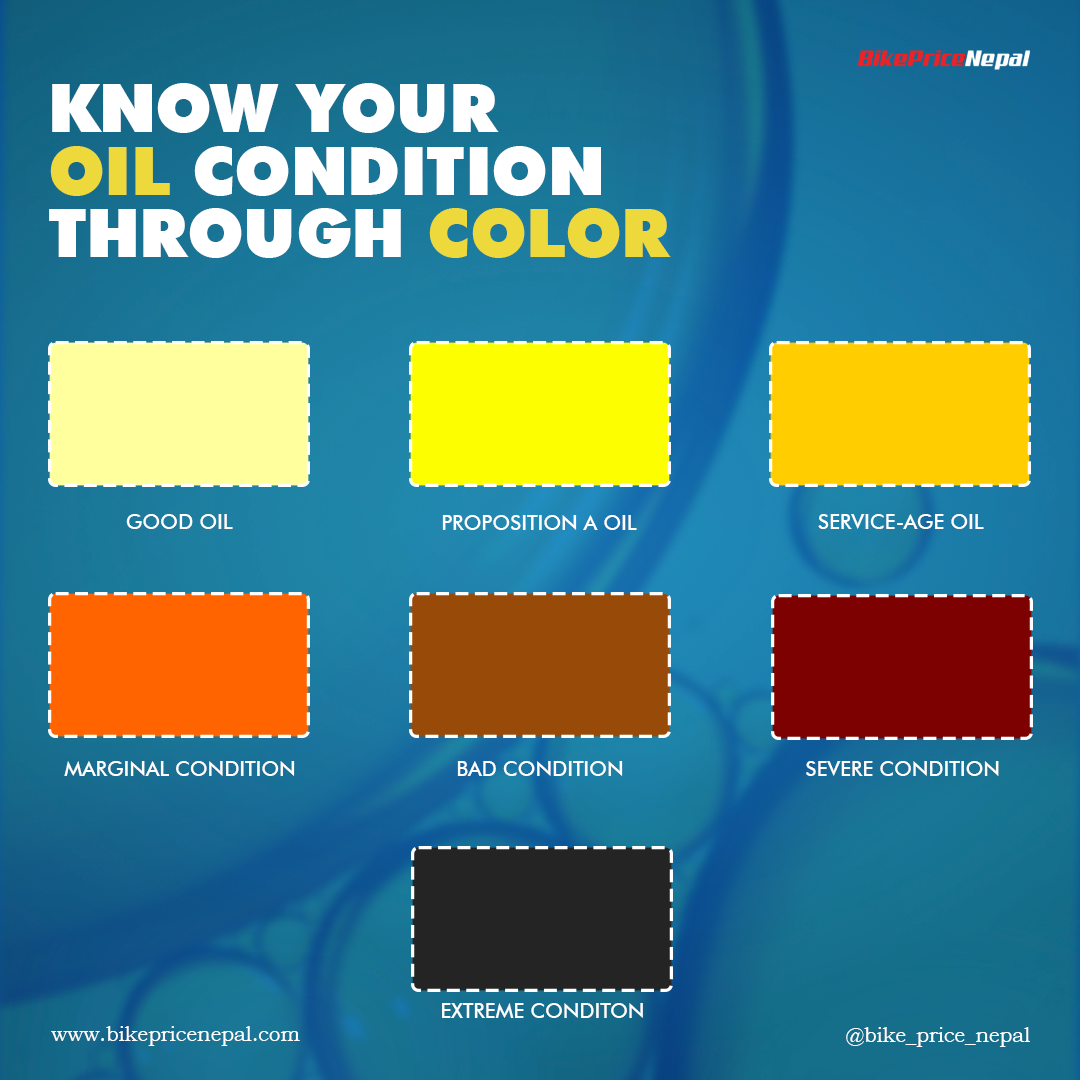
Black and Thick Oil:
A visual inspection of the oil on the dipstick reveals a black and thick consistency. This indicates contamination by dirt, dust, and carbon deposits, affecting lubrication and overall engine performance.
Warning Lights:
Modern motorcycles are equipped with oil pressure sensors that trigger warning lights when oil pressure drops too low. A persistent oil can-shaped light suggests low oil levels, which could result from burning or leakage.
Excessive Engine Noise:
The degradation of oil's lubricating properties can lead to increased metal-to-metal contact, resulting in louder engine noise, particularly in the top end where the camshaft and valves are located. Addressing this issue promptly is crucial to prevent engine damage.
Oil Level:
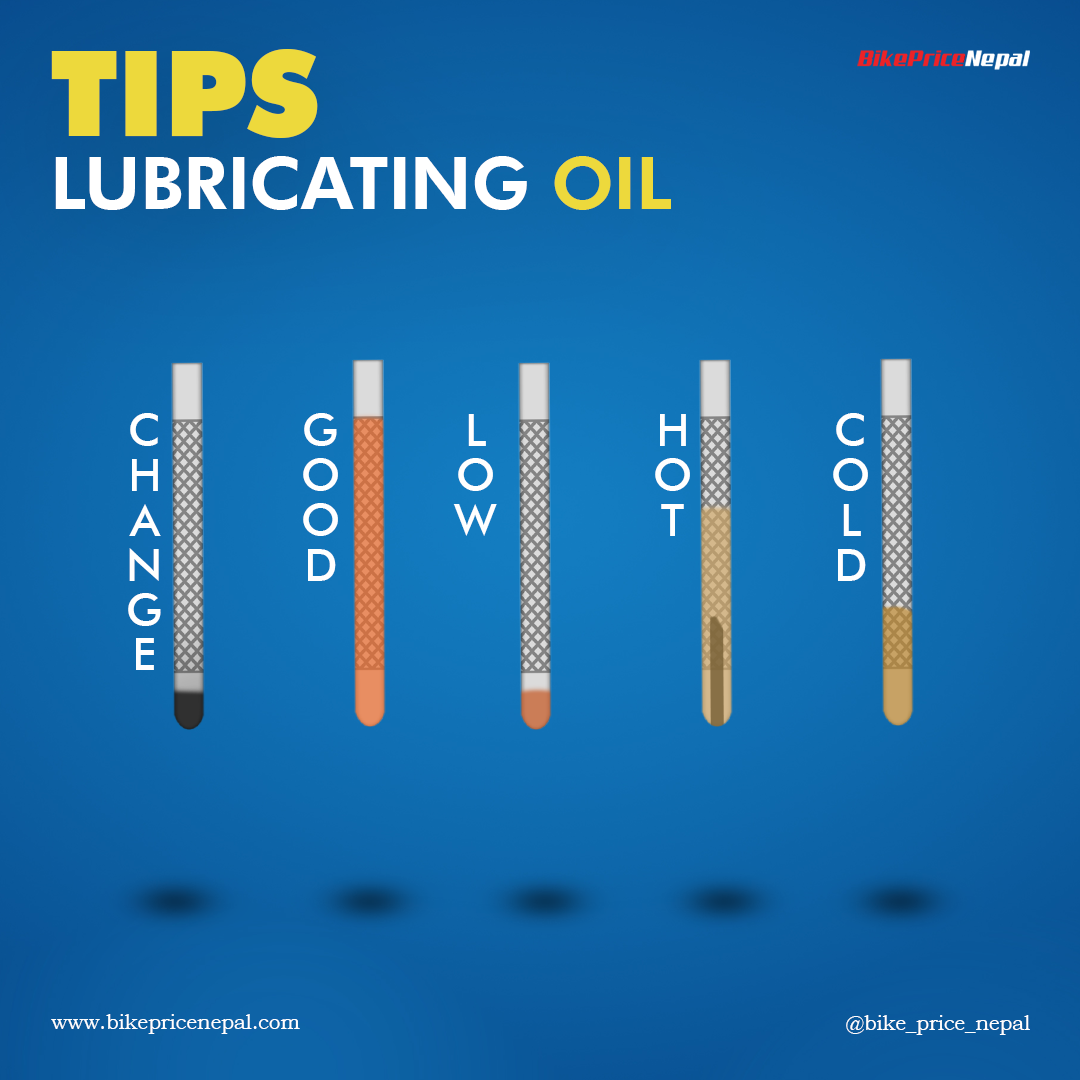
Using a dipstick is the most popular way used by motorcycle repair to check the engine oil's condition. A dipstick is a tiny stick made of metal or plastic that has measurements running the length of it to indicate the level of engine oil. The length of the dipstick will be coated in oil when it is inserted into the engine, showing how much engine oil is still there.
The dipstick is a useful tool for checking the condition of engine oil in addition to measuring its level. The color and level of the oil on the dipstick make it simple to assess the condition of the engine oil.
Understanding the Role of Oil in Engine Function:
The internal combustion engine relies on oil as a non-compressible fluid that acts as a bearing, reducing friction between metal parts. It is vital to use the right grade of oil to maintain proper viscosity, as engines have small passages and channels. Common oil grades for motorcycles include 10W-30, 10W-40, and 20W-50, with specific additives for transmission lubrication.
Types of Oil:
Motorcycles use different types of oil, including mineral oil/conventional, synthetic, and semi-synthetic. Each type has its advantages, and it's crucial to follow the manufacturer's recommendations for oil grade to ensure optimal engine performance.
How Often to Change the Oil:
The frequency of oil changes depends on the type of oil and riding conditions. While manufacturer guidelines should be followed, general recommendations include:
3000 km for conventional (mineral) oil.
8000 – 9000 km for synthetic blend oil.
11000 – 16000 km for full synthetic oil.
(The numbers may vary as per one’s riding habit.)
Measuring the Frequency of Oil Changes:
Monitor the following factors to determine when to change your motorcycle's oil:
- Mileage since the last change.
- Date since the last change.
- Oil level and condition.
- Engine rebuild intervals.
Why Oil Maintenance Is Important:
Regular oil changes are essential for extending your motorcycle's lifespan, maintaining performance, and preserving its resale value. Neglecting oil maintenance can lead to decreased engine efficiency and potential long-term damage.
Oil changes are a fundamental aspect of motorcycle maintenance that should not be overlooked. By paying attention to signs, using the right oil, and adhering to recommended guidelines, riders can ensure their motorcycles operate smoothly and efficiently for years to come. Make oil changes a routine part of your maintenance schedule to keep your bike running at its best on the open road.