
USA Seeks to Ban Powersport Manufacturer CFMoto
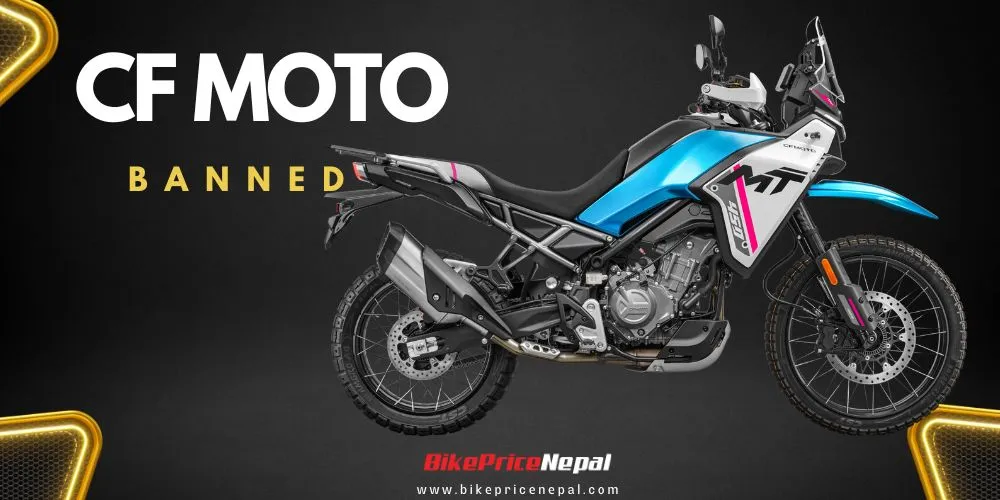
In a move reminiscent of the clampdown on TikTok and other foreign-owned tech platforms, the U.S. Congress and regulatory bodies have set their sights on certain foreign vehicle manufacturers, including those in the powersport sector. At the forefront of this latest push is CFMoto, a leading Chinese powersports manufacturer, which has gained a substantial foothold in the U.S. market.
The U.S. Commerce Department's Bureau of Industry and Security (BIS) has recently proposed rules that would effectively ban vehicles with software and hardware links to China and Russia by model year 2027. The motivation behind these new regulations stems from concerns over national security and personal privacy, as U.S. officials worry that foreign-made connected vehicles could be used for espionage or data collection.
At the heart of the issue are "connected vehicles," a term defined by BIS as any vehicle that integrates onboard networked hardware with automotive software systems to communicate via wireless connectivity with other devices or networks. This definition encompasses everything from cellular communication and satellite links to vehicle-to-vehicle communication systems.
CFMoto's Telemetry in the Crosshairs
In the world of motorcycles, CFMoto finds itself directly in the line of fire due to its use of telematics technology. CFMoto's T-Box system, along with its CFMoto Ride app, allows for real-time communication between the vehicle and mobile devices. This technology, while enhancing the rider experience with features such as GPS tracking and ride data logging, falls under the BIS's definition of onboard networked hardware. Consequently, if the proposed rules are enacted, CFMoto models that use this hardware and software would be prohibited from the U.S. market by 2027.
The impact of this proposed ban is significant given CFMoto's growing presence in the U.S. market. After gaining a solid foothold in Latin America, CFMoto has been making headway in the U.S., offering motorcycles that are both affordable and feature-rich compared to their American counterparts. However, this momentum could come to a halt if the new regulations are enforced.
National Security Concerns
The push to ban vehicles like those made by CFMoto comes from fears that connected vehicles with links to foreign governments could pose serious security risks. U.S. Secretary of Commerce Gina Raimondo, in an advance notice of proposed rulemaking (ANPRM) issued in February, highlighted the potential threat: "It doesn’t take a lot of imagination to think of how foreign governments with access to connected vehicles could pose a serious risk to both our national security and the personal privacy of U.S. citizens."
These concerns mirror the reasoning behind earlier actions against Chinese tech companies like Huawei, TikTok, and DJI, which have been accused of facilitating data collection for the Chinese government. Just as these tech platforms were scrutinized for their potential access to vast amounts of personal data, connected vehicles from manufacturers like CFMoto and others are now under the same microscope.
Not Just CFMoto: Kove and Others at Risk
CFMoto is not the only foreign motorcycle brand that could be affected by the proposed ban. Kove, another rising star in the U.S. motorcycle market, could also face challenges. Known for its budget-friendly yet high-quality motorcycles, many of Kove’s models are equipped with GPS systems, Bluetooth connectivity, and a dedicated app—features that fit the BIS definition of a connected vehicle.
Kove's rapid growth in the U.S. market, like CFMoto’s, has been driven by riders looking for affordable alternatives to more expensive brands. However, the new regulations could stifle this growth and limit the availability of their products in the U.S.
A Broader Impact on the Industry
While motorcycles like those from CFMoto and Kove may be some of the first to be targeted, they represent only a fraction of the vehicles affected by the proposed rules. The majority of impacted vehicles are expected to be electric vehicles (EVs) from China, which have gained a reputation for being technologically advanced and competitively priced. Brands like BYD, already facing stiff tariffs, could see even harsher restrictions under these new rules.
In fact, earlier this year, the Biden administration imposed 100% tariffs on Chinese EVs, citing concerns over unfair trade practices and intellectual property theft. The new proposed rules, however, could go beyond tariffs and result in an outright ban on certain Chinese-made vehicles. This would mark a significant escalation in the ongoing economic tensions between the U.S. and China.
The Future of Powersports in the U.S.
If the proposed BIS rules are enacted, the powersports landscape in the U.S. could see significant changes. Foreign manufacturers like CFMoto and Kove have provided American consumers with affordable and innovative alternatives to domestic brands, but their future in the U.S. is now uncertain.
While national security and privacy concerns are valid, the potential ban could limit consumer choice and raise prices as competition decreases. Additionally, the impact on U.S. dealerships and retailers who have invested in these brands could be substantial.
The proposed rules are still in the early stages, and there will likely be a period of public comment and debate before any final decisions are made. However, the trend toward greater scrutiny of foreign technology, whether it be in the form of social media apps or connected vehicles, is clear. As the U.S. continues to flex its economic and regulatory muscles in the name of national security, the powersport industry—and the consumers who rely on it—will be watching closely.